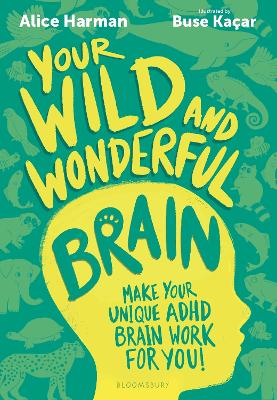
Your Wild and Wonderful Brain: A creative guide to help make your ADHD brain work for you!
By Author / Illustrator
Alice Harman, Buse Kacar
Genre
Mental Health & Wellbeing
Age range(s)
9+
Publisher
Bloomsbury Children's Books
ISBN
9781526694416
Format
Paperback / softback
Published
04-06-2026
Synopsis
Does your brain sprint ahead of you like a cheetah on the chase?
Or get distracted by every shiny new idea like a curious magpie?
Do you have a WONDERFULLY WILD ADHD brain?
Made for people with ADHD (or those who want to know more about it), this positive, must-have handbook celebrates both the tricky and the brilliant bits of ADHD. Using playful animal metaphors, it explores traits many people with ADHD will recognise, while sharing tips, activities and 'brain science' explanations to help you understand your ADHD better.
Written and illustrated by two authentic ADHD voices, this is the perfect book for anyone looking to work with, rather than against, their wonderfully wild, one-of-a-kind ADHD brain.
"A refreshingly creative and systematic guide that reframes ADHD from something you feel you have to fix into something you can actually understand, so you can start working with your brain, not against it." - Connor DeWolfe, TikTok creator and ADHD activist.
Reviews
Jane
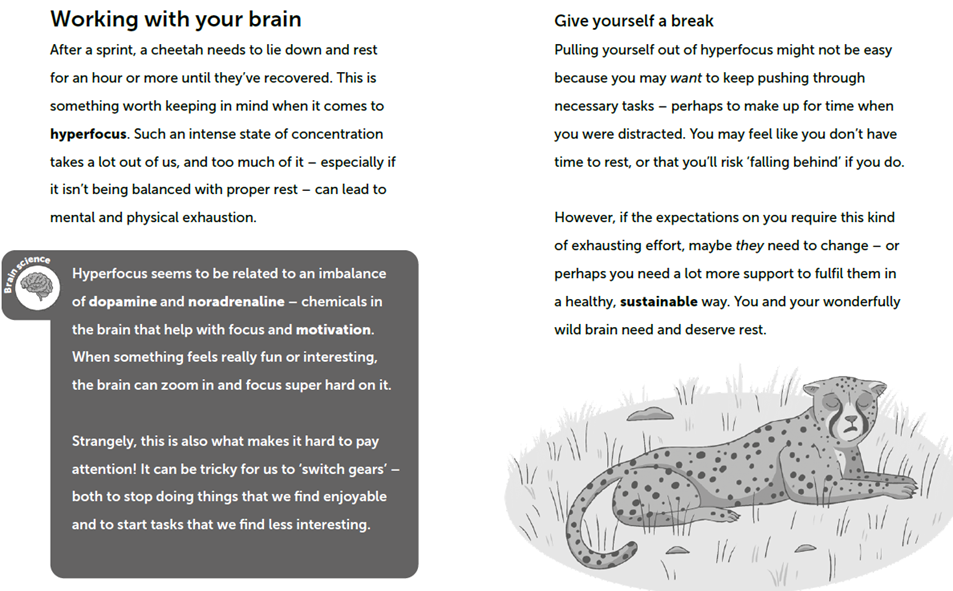
Many will value the novel and appealing ADHD-friendly presentation of the material in Your Wild and Wonderful Brain; representing a series of ADHD traits as different animals, for example, and interspersing main topic information with interesting asides, including creative ideas and fun 'side quests' (did you know lorises have 2 tongues?).
We can be confident that the information in Your Wild and Wonderful Brain is factually accurate, given that it has been reviewed by a specialist ADHD consultant. The book doesn't claim to be a substitute for professional, medical care, and children aren't offered formulaic answers. There may be many 'aha!' moments, as we read of things which resonate with us; and times when we may smile at a particular memory evoked by the text.
The author has personal experience of her subject, as evidenced by the inclusion of 'irritating ADHD questions', like: 'You seem smart. Why do you need extra help?' While she pushes back against the idea of ADHD as a superpower, neither does she view it as a problem to be overcome. She's realistic about the challenges ADHD-ers face, but offers plenty of encouragement to notice, celebrate and tap into the positives.
Wise advice is given, but it doesn't feel imposed or impractical, just compassionate. For example, 'if expectations on you require this kind of exhausting effort, maybe they need to change'. She counsels that 'learning to genuinely accept and support yourself is a must, rather than trying to force or shame yourself into following society's invented 'musts' and 'shoulds' when they just don't work for you.'
A repeated refrain is 'talk to a trusted adult'. Harman could justifiably have added 'but make sure they have read this book first.' Indeed, there is much here that neuro-typicals can learn to make them (us) less judgmental. Perhaps, for a start, we could adopt the Maori word for ADHD: 'aroretini', meaning 'attention goes to many things'.
I can see this book being shared in families, used by SEN staff when working 1:1 with children, and being borrowed repeatedly from the library as word gets out about the help it offers. Highly recommended.
272 pages / Reviewed by Jane Rew, school librarian
Suggested Reading Age 9+
Other titles
-
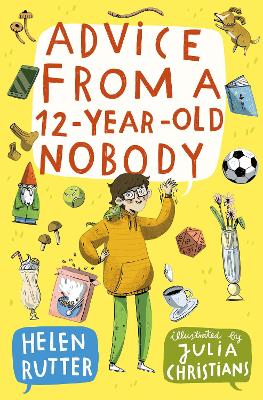 Advice from a 12-Year-Old Nobody
9+ Mental Health & Wellbeing 20260212
Advice from a 12-Year-Old Nobody
9+ Mental Health & Wellbeing 20260212
-
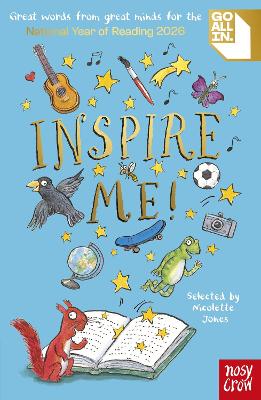 Inspire Me!
9+ Mental Health & Wellbeing 20260115
Inspire Me!
9+ Mental Health & Wellbeing 20260115
-
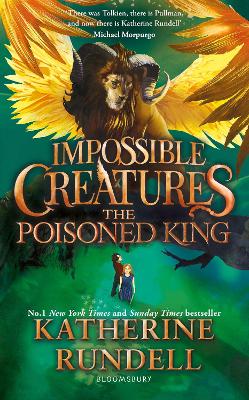 The Poisoned King (Impossible Creatures)
9+ Fantasy 20250911
The Poisoned King (Impossible Creatures)
9+ Fantasy 20250911
-
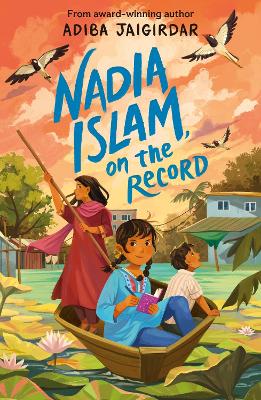 Nadia Islam, on the Record: A heartwarming, must-read story that celebrates family, faith and community
9+ Environment & Nature 20260115
Nadia Islam, on the Record: A heartwarming, must-read story that celebrates family, faith and community
9+ Environment & Nature 20260115