Following your dreams in Wendy J Warren's The Bear Who Wanted to Dance


About Author
ReadingZone caught up with illustrator Wendy J Warren to explore her debut picture book, The Bear Who Wanted to Dance, a story about body positivity and following your dreams.
Wendy J Warren has being drawing and painting since she was tiny and has spent many happy years illustrating and exchanging illustrated books and letters with her childhood pen friend. She went on to study illustration at university and received a High Commendation from Macmillan, for her entry into The Macmillan Prize for Children’s Picture Book Illustration, an internationally renowned award, established by Pan Macmillan.
Interview
August 2026
Exploring body confidence and resilience in The Bear Who Wanted to Dance
Wendy J Warren's debut picture, The Bear Who Wanted to Dance (Little Tiger), written by Stephanie Standsbie, is a story about following your dreams, body positivity and self-acceptance.
ReadingZone caught up with the illustrator to find out more about creating the picture book, and the inspiration behind the story, as well as exploring her journey into becoming an illustrator.
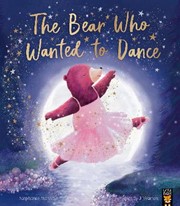
The Bear Who Wanted to Dance: Meet Rita, a big bear with an even bigger dream! Rita is a talented, passionate, hard-working ballerina. And she's top of her class! But when she studies her ballet magazines, and compares herself to her friends, she realises - she's the wrong shape! Can Rita find her inner power and confidence in her beautiful big-bear body?
Review: "The Bear Who Wanted to Dance is a heart-warming story about following your dreams and encourages having a positive body image."
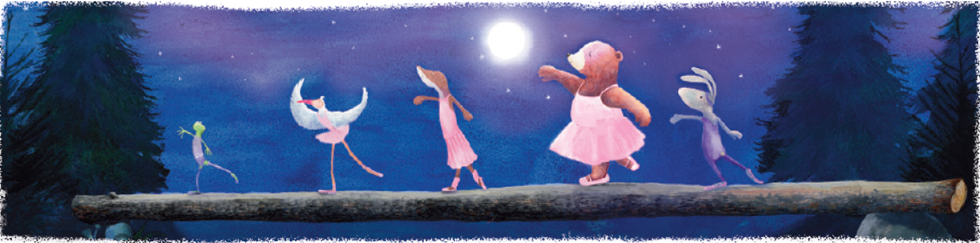
Q&A with Wendy J Warren exploring The Bear Who Wanted to Dance
"With this story, I wanted the illustrations to support its messages about following your dreams
and feeling confident in your body."
1. Where did you train as an illustrator and how did you get started in children's books? How would you describe your illustration style? Which illustrators inspire you?
I started training to be an illustrator when I was about five years old! My dad drew and painted for a hobby and, after a visit to the Bronty museum I'd make teeny-tiny little books, complete with stories about mice. So, in a way, I've been making picture books for most of my life.
I officially began my journey into children's books after studying at City Lit in London. My style is still evolving, but I'd describe it as whimsical. I predominantly work with traditional materials; paper, watercolour and coloured pencils and I love the loose, dreamy quality that watercolour gives my illustrations.
I'm inspired by so many illustrators, including Richard Scarry and Raymond Briggs. Their work populated my childhood, and I think those early visual influences have definitely stayed with me.
2. Can you tell us about your debut picture book, The Bear Who Wanted to Dance, and how it was created?
My debut picture book, The Bear Who Wanted to Dance, was inspired by lots of sketching trips through the beautiful forests of Canada. Those trips were really important for developing the scenery and, particularly, the colours of the world I wanted this bear to live in. Once I had the landscapes, I spent many, many hours drawing bears attempting ballet poses!
3. How did you decide to approach the illustrations for this story?
With this story, I wanted the illustrations to support its messages about following your dreams and feeling confident in your body. The author and I had both loved ballet as children, so we spent a lot of time looking at ballet poses and thinking about how a dancer's body can communicate confidence and joy.
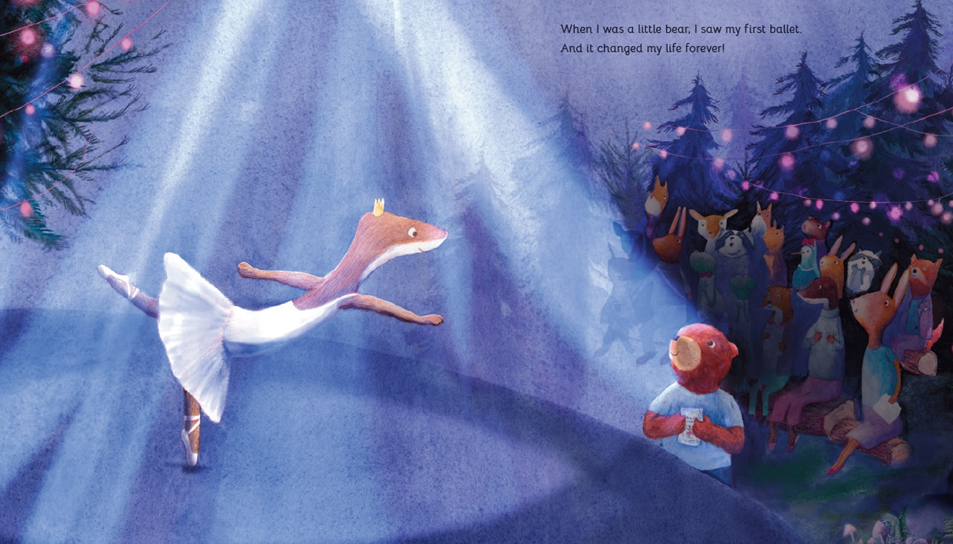
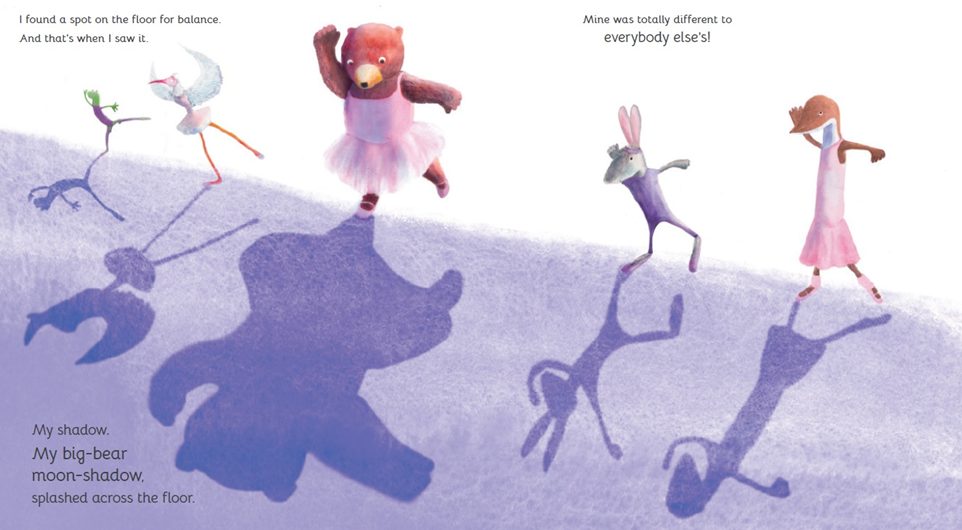
Pages from The Bear Who Wanted to Dance, illustrated by Wendy J Warren
4. How do you reflect Rita's loss of confidence in her appearance through the story, contrasted with the 'magic' she feels when her confidence grows?
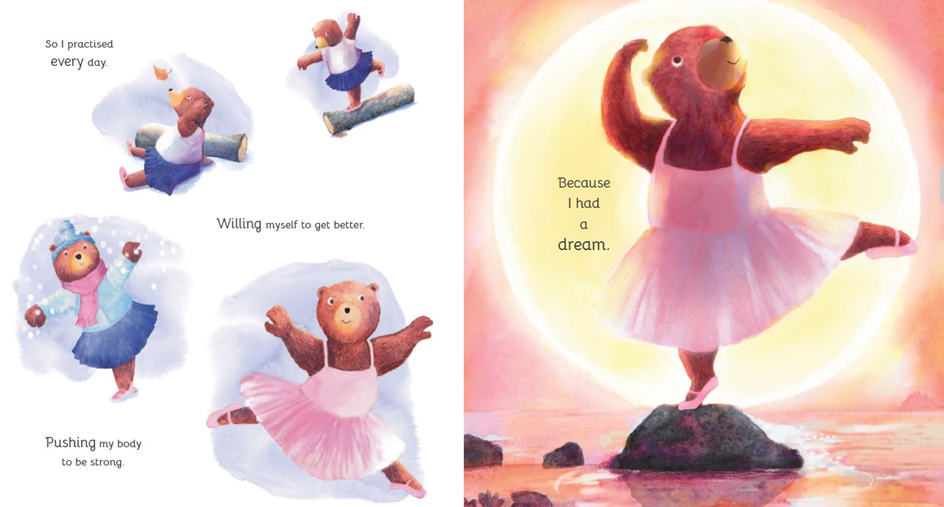
Rita's confidence changes throughout the story, and I wanted that to come through physically in the illustrations. When she feels sad or insecure, she clutches her bear and holds her arms close to herself ; the kind of thing we all do when we're feeling vulnerable. Her sad expression and more closed-in poses emphasise that feeling.
As her confidence grows, that completely changes. She begins to hold herself more strongly and stand more upright, and you can almost see the 'magic' of confidence coming through in the way she moves.
5. Do you enjoy drawing animals, or was it a challenge to illustrate a dancing bear, weasel and fox?
I love drawing animals, and I particularly love drawing bears, so illustrating a dancing bear wasn't really a challenge, it was a joy! The real challenge was bringing all the other characters to life: the weasel, frog, hare and fox, all doing ballet poses in their tiny ballet costumes. Getting animals to look convincing while also making them look like they're dancing is surprisingly tricky!
6. How do you 'map out' the 'flow' of a story - page turns, where to break up the page etc?
One of the hardest parts of making a picture book for me is mapping out the flow of the story, working out the page turns, where to break up a scene, and how much information to put on each page. I always want to put so much into an illustration, and I've had to learn that sometimes less really is more.
I relied on my 'Little Tiger experts' for this, who helped me step back and think about what the story actually needed on each page, rather than simply everything I wanted to draw!
8. What are you happiest with in the finished pages of The Bear Who Wanted to Dance?
I think I'm happiest with the opening page of The Bear Who Wanted to Dance. I love all the tiny details in it. People have told me they can look at that page for hours and keep finding new things, which is probably one of the nicest compliments I could receive as an illustrator.
9. Are you involved in new illustration projects currently?
I'm working on a new book at the moment, and it's about a very different character, so I'm getting used to drawing a completely new world and a completely different colour palette. It's been really exciting to challenge myself in that way.
10. What kinds of things do you enjoy doing when you're not in your studio? Where do you go to seek out inspiration for a new story?
When I'm not working, I'm often sketching or painting around London with friends. I used to really dislike drawing people, so I deliberately spent a few years focusing on them. And now I absolutely love it as a subject. I think sometimes the things we find hardest are worth spending a bit more time with.
When I'm not in my studio, you'll probably find me on my allotment, growing tomatoes and lots and lots of flowers. I've also recently started loving swimming again, and that's actually become an unexpected source of inspiration for my next book.
I think that's something I've learned about inspiration generally: you can't really seek it out. In fact, I think that's the worst thing you can do. You have to go about your life, notice things, make things, meet people, get outside and eventually, the story will find you.
 The Bear Who Wanted to Dance