IBC's Excluded Voices 2026 report shows marginalised authors still locked out
Posted on Monday, October 5, 2026
Category: News
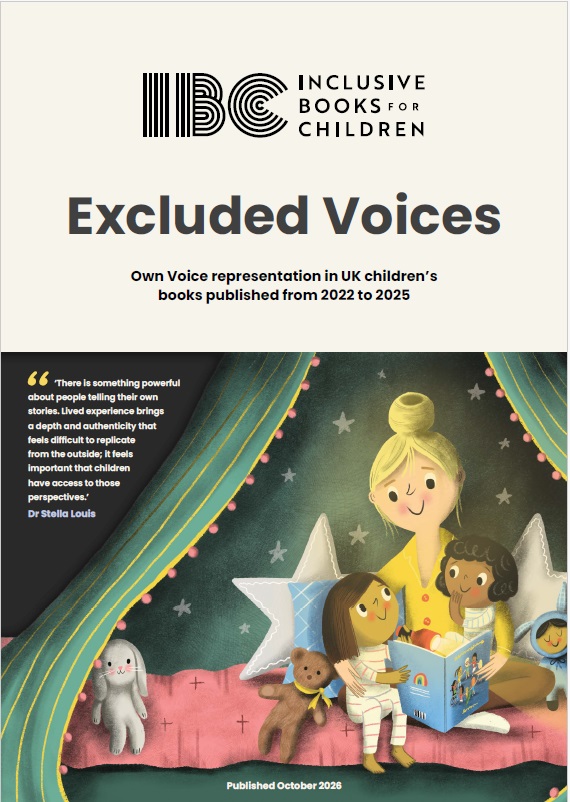
Marginalised British authors and illustrators remain underrepresented in UK children's publishing, according to literacy charity Inclusive Books for Children (IBC).
Its annual Excluded Voices report finds that fewer than half of the diverse children's books published during 2025 in the UK were by British minoritised ethnic, disabled or neurodivergent authors and illustrators.
Of 2,189 books published for children under 10 in 2025, just 150 (6.9%) featured main characters with neurodivergent, disabled or minoritised ethnic backgrounds, and only 73 of those 150 titles were by authors and illustrators who shared the same backgrounds as the books' protagonists.
This double layered representation gap exists despite neurodivergent, disabled and minoritised ethnic groups making up a significantly higher share of the nursery and primary-school population in England and Wales. Looking at ethnic identity alone, 27% of one- to nine-year-olds are from minoritised ethnic backgrounds, according to census data from 2021.
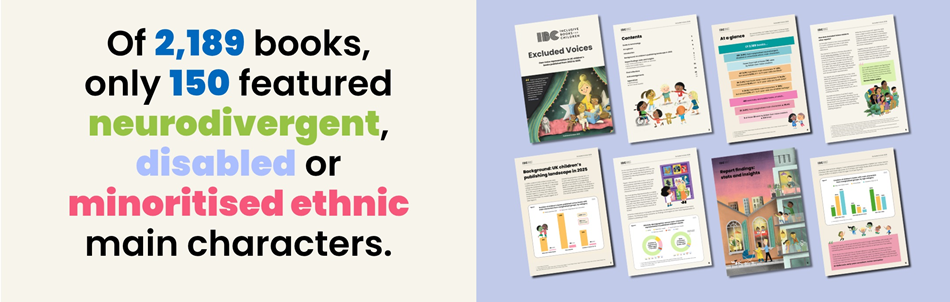
Published today, the findings come from IBC's third Excluded Voices report, which surveys mostly traditionally-published books and which covers baby and toddler books for ages 1 to 3, picture books for ages 3 to 7 and children's fiction for ages 5 to 9.
Other key report findings:
● Just 47 books (2.1%) had Black main characters, down 7.8% on the previous year, despite around 8.5% of one- to nine-year-olds being of Black heritage
● South Asian main characters featured in just 30 books (1.4%), down 14.3%, despite children of South Asian heritage making up around 12.4% of the one to nine age group
● Only three books (0.1%) had main characters of Middle East and North African heritage, down 50% year on year, against an under 10s population of around 2.2%
● Picture books centring disabled characters decreased by 60% in 2025 to just two books, and neither title was by a disabled creator
● The increase in neurodivergent representation in picture books was sustained yet modest, from three to 13 books, with fewer than half being by neurodivergent authors and illustrators
● Of the 462 baby and toddler books surveyed, 22 (4.8%) had marginalised main characters, up 29.4% on the previous year, and of those, five were by British authors and illustrators of the same marginalised identities, a 2.5-fold increase
IBC has been running this independent research for three years, tracking the same age categories and employing the same methodology since the first report's launch in 2024. This consistency allows the charity to measure genuine year-on-year progress (or lack of it) across the UK children's book publishing industry. The hope is that the sector will notice and take necessary actions to redress imbalances in representation.
Jake Hope, children's book consultant, said the report shows that "talented authors and illustrators with lived experiences" continue to face barriers in getting their stories published. "The Excluded Voices report shows us who is still missing from UK publishing for children. At a time when children's enjoyment of reading is at a significant low, it's more important than ever that the stories children encounter reflect their lives, identities, experiences and emotions," Hope said, calling for action for continued change and improvements.
The full 2026 Excluded Voices report, which includes commentary from award-winning authors Nadine Kaadan and Serena Patel, can be freely downloaded at Inclusive Books for Children.